When it comes to the idea of hurricanes, we are all familiar with its effects, from extremely fast and powerful winds to intense monsoons of heavy rainfall, especially when relating to last year’s Hurricane Helene that caused a state-wide blackout and even a full week of cancellation from several colleges, including our own. Even today, we remember the effects of this hurricane and the overall impact it left on our college.
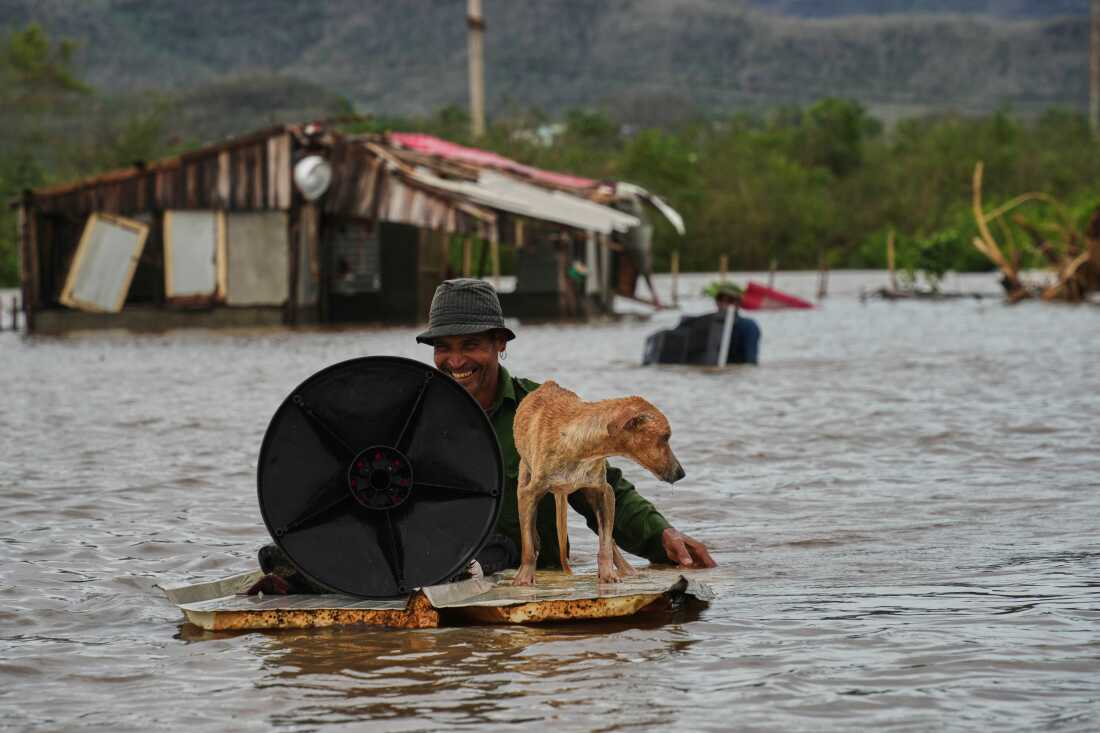
Now imagine this type of hurricane but with twice the power and ten times the devastation, and you will have a clearer picture of the destruction faced by Jamaica due to Hurricane Melissa. Forming in late October and lasting until November 4, this hurricane’s winds reached speeds of up to 185 mph and extreme flash floods that caused just as much if not more damage than the hurricane itself. The casualties were also disastrous, both for the people and the Caribbean Islands itself, with the death count reaching over 83 people, with 14 citizens missing and over 141 injured.
Jamaica, where they were affected the most, had monetary value losses estimated to be within $6-7 billion dollars, making over half of Jamaica’s overall GDP and widely exceeding its merely $150 million dollars in catastrophic bonds. Hurricane Melissa was recorded to be one of the third most intense hurricanes in history, as well as the most devastating one Jamaica has ever experienced, beating out what they went through with Hurricane Gilbert in 1988.
Because of these devastating effects, the US alongside the World Bank has begun giving support to help Jamaica recover, towards some mixed results. One effort in sending supplies led to a plane crash that claimed two lives in the process. Nonetheless, efforts are still going on with $12 million dollars donated from the US State Department with an additional $10 million totalling $22 million dollars, with more on the way. Efforts are still coming in since the hurricane recently ended, and we all hope that Jamaica will soon recover from this devastating natural disaster.