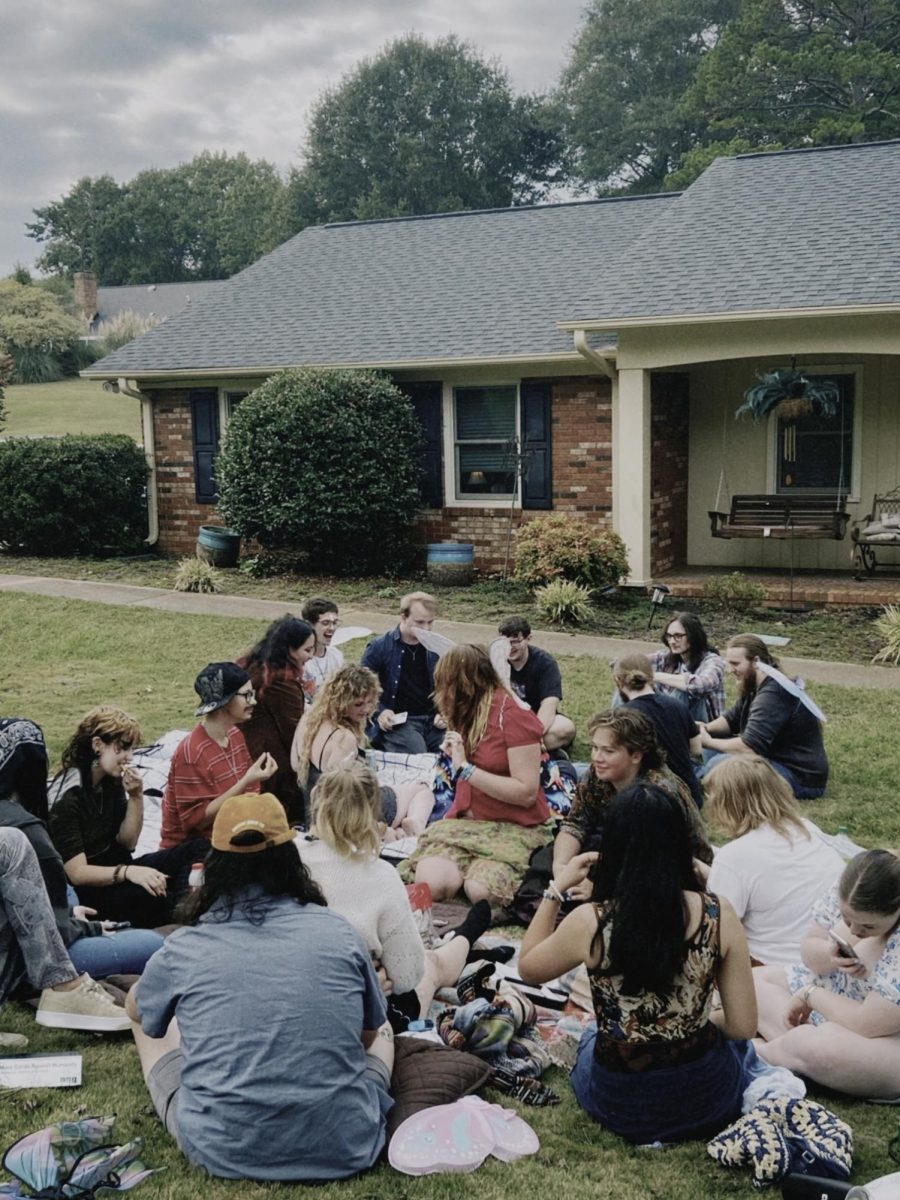

Burnout. Any college student who at the very least cares about their academic career will roll their eyes and enter a 20 minute sob story if you bring up this topic to them. However, before you roll your eyes at these college go-ers, hesitate for a second and let’s really piece apart “Burnout.”
Burnout was coined by psychologist Herbert Fruedenberger, who used the term to describe the exhaustion of volunteers at a NYC clinic in the 1970s. Their loss of motivation and reduced commitment to serve the less fortunate fascinated him. Even though his studies granted him awards and recognition, he was no hero in fighting burnout because of the good of his heart. He wanted to learn how to prevent it for his own benefit, not so much to study and understand it.
That brings us fifty years to the future. In the 2020s, we still have burnout. The word is used within athletic and work spaces, but it is the term of the century within academics. As the amount of people getting college degrees rises more every decade, the undergraduate degree diminishes in value. This unfortunate truth, along with the growing financial gap and desperate need for a “good career”, leads to classroom environments becoming more and more competitive amongst peers. Being an average student isn’t a luxury many can have.
I don’t think it’s fair, however, to take just my opinion on burnout. After all, no experiment takes one result as the truth. I asked many students around campus and received many different answers, sharing the truths that society must face head on.
“Burnout is easily the most detrimental thing that happens to me. It affects my physical and mental health, my performance in school and work, and makes it near impossible to relax or do things that I love. It causes my motivation to be low. My energy drains rapidly like a phone with a bad battery. I can’t eat due to nausea. On top of it all, sleeping feels like the only thing I can do, even though the sleep I get is poor. Completing schoolwork or studying takes almost all of my energy, even though most of the time I don’t have the energy to even start, but then I suffer from crippling anxiety about the work not being completed in a timely manner, which only makes the burnout worse. I find myself dragging myself to class, barely learning anything because I’m so drained. It’s suffocating, to be entirely honest.” – Anonymous PC Freshman
“I haven’t really experienced burnout myself, and I’d primarily credit that to keeping a balanced schedule and pacing myself while working. I think it’s important that you take breaks and make sure you are fully able to engage with your work so that you can get the best results!” – PC Student, Ladson Porter
“Burnout for me has made it super difficult to see people and put myself out there as I used to. It’s hard to drag myself out of bed more than ten minutes before an event or do more work an hour before something is due for a grade. I’d love to be more active and out and about but burnout makes it hard. It’s stressful, it’s depressing, and it’s a cycle of feelings no one ever talks about.” – PC Student, Opal Lansing
“Burnout for me is a place of complete energetic despair. It can be triggered through overwork or overstimulation. It’s difficult to translate these feelings to those around you which I think is one of the most difficult parts. It feels as though my body is frozen and numb – an internal winter that only hibernation can cure.” – Anonymous PC Sophomore
“I think “burnout” for me isn’t common, but it does manifest more in the specific pattern of doing something that feels like its primary purpose is to be graded rather than to be understood. I feel like I experience burnout not from getting behind as a result of not doing my work or being given too much work, but because I find it difficult to complete assignments that don’t feel meaningful to me and my education in paving a path for the future.” – PC Student, Ava Westhart
As you can see from these quotes, every student has a different relationship with the feeling of burnout. Some, like the students who chose to remain anonymous, feel it deeply as it leaks into every corner of their lives. It keeps them from being what they feel would be their best selves and as they fall deeper into it, the feelings just become worse. This is a cycle that can quickly become very overwhelming.
However there are other students, like Ladson Porter, who claims he avoids burnout by giving himself balance and consistently pacing himself – all great pieces of advice! However, every mind is different, and the unfortunate reality is that some fall victim to it easier than others. Mental health is something one should always prioritize, and when feelings of self-doubt, helplessness, and procrastination begin to affect you on a daily basis, it’s best to follow these tips.
Reach out to those around you. Reach out to professors before due dates and express that you are having a tough time mentally. Indeed, expressing vulnerability in a time of need is very difficult, especially to those you want to impress. Nothing is more impressive than being honest and reaching out during your time of need. Don’t be afraid to tell your professors you’re having a tough time and ask for extra guidance and help when you need it. There are very few professors on campus that won’t jump to help any student they can.
At the same time, remember academics aren’t everything. Reach out to your friends, teammates, roommates, etc. Ask to get a coffee, go to the park, or just get out of the house. The worst thing you can do is stay in your room and only leave during stressful times such as tests or classes. Remember that real friends want you to succeed just as much as you do. You can ask them to push you, keep you accountable, and encourage you to prioritize your mental health. After all, your mind is the one home you will never graduate from. You should make it a nice place to be!